
Built on real Washington safety code
Weekly safety training your crew will actually watch.
Short videos, one topic a week, matched to what each person actually does on the job. They watch on their phone, answer three questions, and you get a record of who was trained on what and when.
Two to ten employees and no safety program? That is exactly who this is built for.
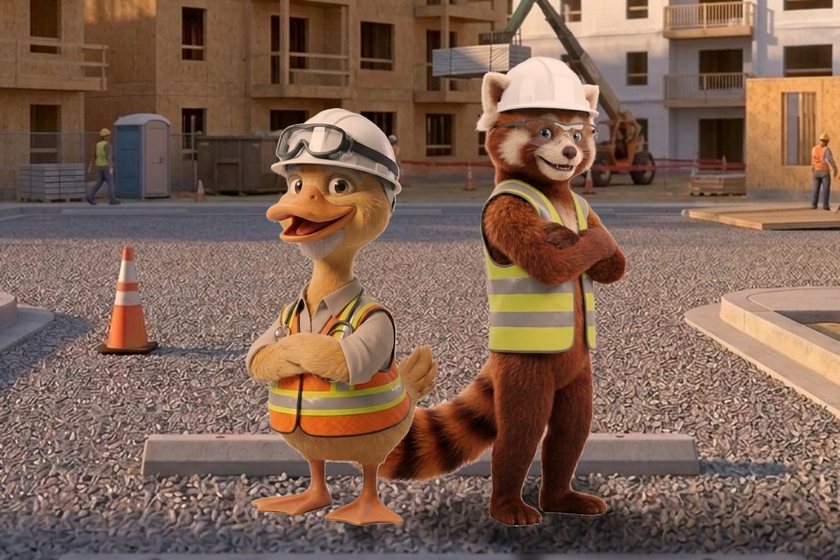
Doc • Red — your weekly safety hosts
See it in about a minute
Rather watch than read? Same idea, faster.
What this replaces
“Sign this.”
Most companies hold safety training — or at least say they do. What actually happens on a lot of jobs is a superintendent walking up with a sheet of paper, saying “sign this,” and everybody is now trained.
It is not that anyone is careless. Almost nobody on a small crew is a trained safety professional, and fewer still are trained instructors — that is a hard thing to be good at on top of a full day's work. This is built by people who do it for a living, so your crew gets real training instead of a signature.
How it works
-
1
Add your crew
List who works for you and what each person actually does. Each worker scans one code to join your company — that is all the setup there is.
-
2
The week's topic goes out
Either the system picks the right topic for each role, or you pick it yourself from the library. Training is matched to the work — a framer and a driver do not always need the same topic. Some topics are general and apply to most positions: slips, trips and falls can go to anybody.
-
3
They watch and answer
Your worker signs in on their phone, watches a short video, and answers three questions. Two out of three to pass.
-
4
You get the proof
The certificate is saved to that worker's chart and can be printed whenever it is needed, and you get a record showing who was trained, on what, and when. That is the part that matters when somebody asks.
Your weekly safety meeting
Use these videos for the weekly safety meeting Washington requires on construction jobs. Each crew member watches the week's video on their own phone, then the crew leader talks with the crew about how it fits this job. The app keeps each person's record: who watched, what was covered and when. These videos don't replace your annual or other required trainings.
Training that can prove itself
Three things every episode does.
Grounded in real code
Every safety claim is checked against the actual Washington regulation before anyone says it out loud — not a guess, and not something half-remembered.
Real incidents, no names
Send us a close call or an incident from your own site and it can be built into an episode for your crew — a stand-down or an incident review — with stand-in characters in place of the real people. Nobody gets identified. Everybody learns. Opening soon Custom episodes are priced separately.
Citations they can check
The rule behind each episode appears on screen, so anyone can pause it, write it down, and go look it up themselves.
What it costs
$1 plus tax
Per training. Per person. That is the whole price.
Whoever assigns it pays for it
A builder can cover its subs. A contractor can cover its crew. A worker can buy extra training themselves. Same dollar either way.
No contract
No setup fee, no seats to buy, no yearly contract. If nobody trains this week, you pay nothing for that week.
The training follows the worker
A worker's chart belongs to them, not to whoever hired them. Everything ever paid for on their behalf stays with them when they change jobs, and builds a safety record they carry with them. That is worth something to the person watching, which is exactly why they watch.